Why You Should Switch to These Linktree Alternatives in 2026
In 2026, creators are moving away from Linktree due to SEO limitations, AI data privacy concerns, and high subscription costs. For those selling digital products, Stan Store is a leading choice. If you prioritize building an email list and CRM, Beacons.ai stands out. For maximum SEO authority, hosting a DIY links page on your own WordPress site is widely considered the most effective long-term strategy.
The digital landscape for creators has shifted dramatically. What began as a simple solution for Instagram's "one link" restriction has evolved into a crowded market of over 62 competing platforms. While Linktree remains a household name, many marketing experts now identify it as a "middle-man traffic trap." According to discussions among marketing professionals, using third-party link tools can inadvertently siphon off up to 90% of potential direct website hits, as users interact with the intermediary page rather than your owned domain.
As we navigate 2026, the priority for artists, authors, and entrepreneurs has moved from simple link lists to conversion-optimized funnels. Whether you are concerned about how your data is used for AI training or you are tired of paying monthly fees for basic branding, there is a specialized alternative designed for your specific workflow.
Why are so many creators moving away from Linktree?
How using a third-party domain hurts your website SEO
One of the most significant drawbacks of using a standard link-in-bio service is the loss of domain authority. When you share a Linktree URL, every click, share, and backlink benefits Linktree's SEO profile rather than your own. For creators who have spent years building a brand, this is a missed opportunity to compound search engine value on their own website.
According to SEO analysis by Mobilo Card, intermediary services act as a barrier between your social media audience and your website's tracking pixels. When a user visits your site via a third-party link, you often lose granular referral data, making it harder to optimize your marketing spend or understand your audience's journey. By hosting your own links, you ensure that 100% of the traffic value stays within your digital ecosystem.
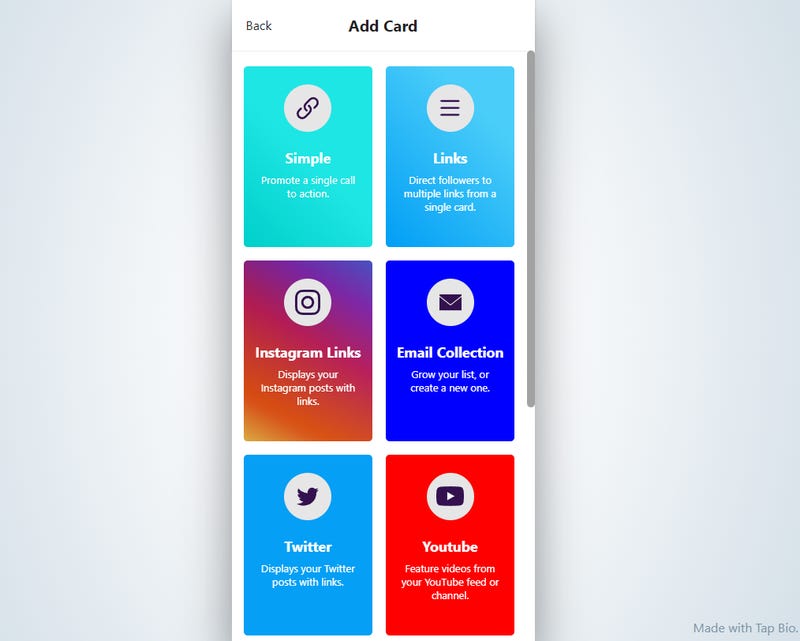
Image source: Business Insider
The growing backlash against Generative AI integration
In recent months, a new concern has emerged: the integration of Generative AI. Following Linktree's AI implementation in mid-2024, a segment of the creative community—particularly indie authors and visual artists—has expressed concern over how their data and traffic patterns are utilized. Many creators are now seeking "Anti-AI" alternatives that offer strict data privacy and explicitly state they do not use creator content to train large language models.
This shift is particularly visible in artist communities where intellectual property protection is paramount. Platforms that offer a "cozy," simple, and AI-free experience are gaining traction as creators look for tools that respect their creative autonomy without the baggage of corporate AI initiatives.
The hidden costs of the subscription economy
Subscription fatigue is real. Many users find it frustrating to pay $5 to $15 per month just to unlock basic features like custom background colors, advanced analytics, or the removal of a third-party logo. For small accounts—which make up approximately 77% of the link-in-bio market—these monthly costs add up quickly.
Alternatives like Lnk.Bio have gained popularity by offering a "one-time payment" model, allowing creators to own their landing page forever without recurring fees. Others, like Atom.bio, provide a remarkably generous free tier that includes features Linktree typically reserves for paid users, such as unlimited links and detailed visitor tracking.
Which Linktree alternative is right for your specific needs?
Best tools for selling digital products and coaching
If your primary goal is generating revenue, Stan Store is widely regarded as one of the strongest options available today. Unlike traditional link lists, Stan Store is designed as a high-conversion storefront. It allows followers to purchase digital downloads, book coaching calls, or join memberships directly within the social media app's browser. This reduces friction significantly, as users don't have to navigate through multiple pages to complete a transaction.
Another top-tier contender for monetization is Beacons.ai. As noted by Ecomm.Design, Beacons functions more like a mini-business suite than a simple link tool. It includes a built-in CRM (Customer Relationship Management) system, email marketing opt-ins, and an AI-driven media kit generator for influencers looking to land brand deals. For creators who want to treat their social media presence as a professional business, Beacons offers a highly capable set of tools.
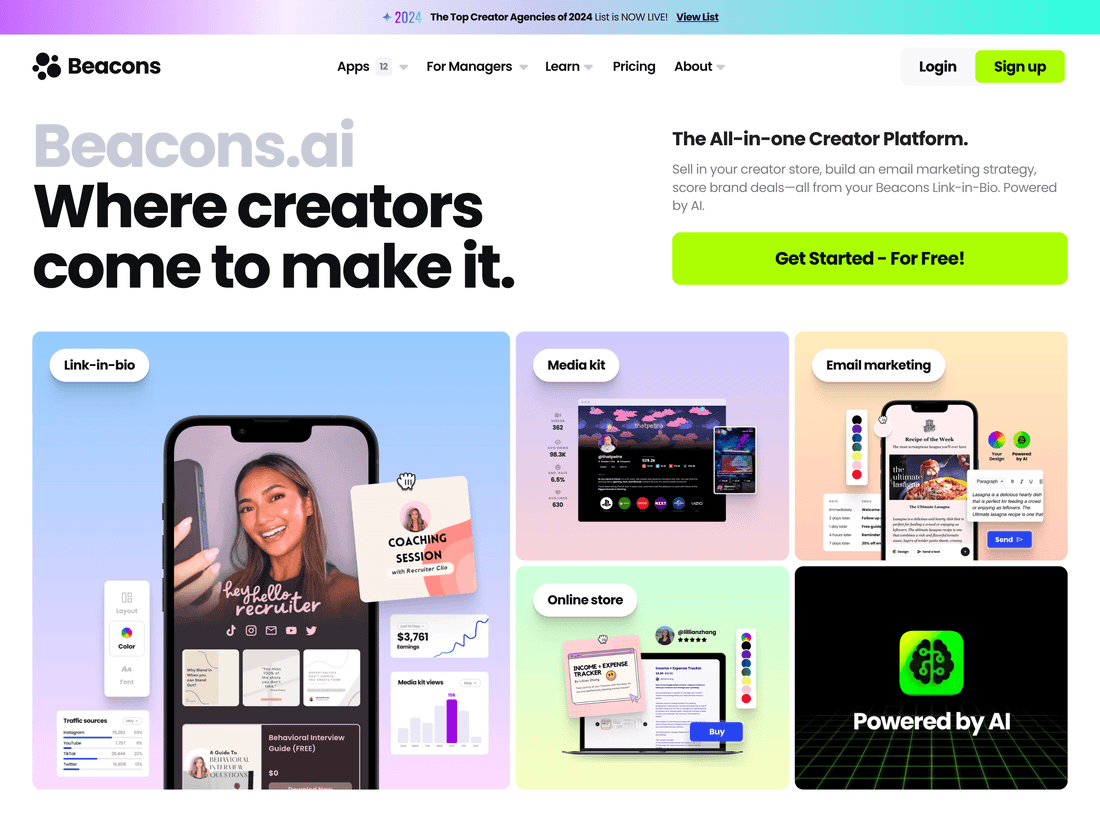
Image source: OptimizePress
Top choices for artists and authors who want to avoid AI
For those who prioritize privacy and simplicity, Manybio is a popular choice. Often recommended in artist circles for its "cozy" and straightforward design, Manybio avoids the complex AI integrations that have caused controversy elsewhere. It focuses on providing a clean, mobile-first experience that puts the creator's work front and center without distracting algorithms.
Creators in this category should also look for platforms that offer "GDPR-compliant" or "Privacy-First" badges. These tools typically do not track users across the web or sell data to third-party advertisers, making them a safer harbor for those wary of the current state of the data economy.
Most affordable options for small accounts and beginners
For creators just starting out, Atom.bio offers an exceptionally strong free tier. While many platforms limit the number of links or the depth of analytics for free users, Atom.bio provides unlimited links and tracking for $0. This makes it a top choice for those who want professional-grade features without an initial investment. According to recent data, Atom.bio generates over 1.5 million unique visits monthly, proving its reliability for high-traffic accounts.
Lnk.Bio is another excellent choice for the budget-conscious. Their unique selling point is the "Lifetime" plan. For a small one-time fee, you get access to all premium features forever. This is a significant advancement over the standard subscription model and is highly recommended for creators who want to keep their overhead low.
Best design control for brand-conscious creators
If you find Linktree's templates too rigid, Carrd is a transformative alternative. While not strictly a "link-in-bio" tool, Carrd is a one-page website builder that allows for total layout freedom. You can drag and drop elements, create custom sections, and design a page that looks exactly like your brand's main website. For as little as $9 per year, Carrd provides a level of customization that few competitors match.
How to build your own link-in-bio page to keep 100% of your traffic
Using WordPress and SeedProd for total domain authority
The most effective way to future-proof your social media presence is to host your own links page. If you already have a WordPress website, you can create a yourdomain.com/links page in minutes. Using a plugin like SeedProd, you can design a mobile-optimized landing page that looks just like a professional link tool but lives entirely on your server.
As highlighted by WPForms, this method ensures that you keep 100% of your SEO value. Every time someone clicks the link in your bio, they are visiting your domain, which signals to Google that your site is popular and relevant. Furthermore, you have total control over tracking pixels (like Meta or Google Analytics), allowing for much more accurate retargeting campaigns.
Simple HTML and CSS methods for tech-savvy creators
For those with a bit of technical knowledge, hosting a simple HTML file on GitHub Pages or a personal server is a remarkably efficient option. A basic link page requires very little code and results in lightning-fast load times. Because there are no external scripts or heavy tracking libraries, these pages often outperform third-party tools in speed tests, which is a critical factor for mobile user retention.
A detailed comparison of the top link-in-bio platforms
Choosing the right tool depends on your primary goals. The following matrix compares the leading options based on their core strengths and pricing structures as of late 2026.
| Tool Name | Best For | Free Tier | Price (Paid) | AI Integration |
|---|---|---|---|---|
| SeedProd (WP) | SEO & Ownership | Limited | $39+/year | Optional |
| Beacons.ai | CRM & Marketing | Strong | $10/mo | Yes |
| Stan Store | Digital Sales | None (Trial) | $29/mo | Minimal |
| Carrd | Custom Design | Basic | $9/year | No |
| Atom.bio | Free Features | Unlimited | $7/mo | No |
| Lnk.Bio | One-time Payment | Unlimited Links | $0.99+/mo or Lifetime | No |
How to migrate from Linktree without losing your data
Exporting your existing links and analytics
Before you delete your Linktree account, it is vital to perform a thorough audit. Linktree does not offer a direct "export" button for all data, so you will need to manually document your current links, their click-through rates, and any custom UTM parameters you have set up. This is a great time to prune old links that are no longer performing, ensuring your new page is lean and conversion-focused.
Setting up redirects to prevent broken bio links
Once your new page is live, the most critical step is updating your social media profiles. However, don't just change the link and walk away. If you have used your Linktree URL in YouTube descriptions, Pinterest pins, or old guest posts, those links will break if you delete your account. If possible, keep a basic free version of your old tool active with a single link pointing to your new "permanent" home to capture any legacy traffic.
Testing your new mobile-first funnel
Before announcing your new link page, test it on multiple devices. Check for button spacing (ensure they aren't too close together for "fat-finger" errors) and verify that your email opt-in forms or checkout buttons work perfectly. A single broken link in your bio can result in significant lost revenue, especially during a viral moment.
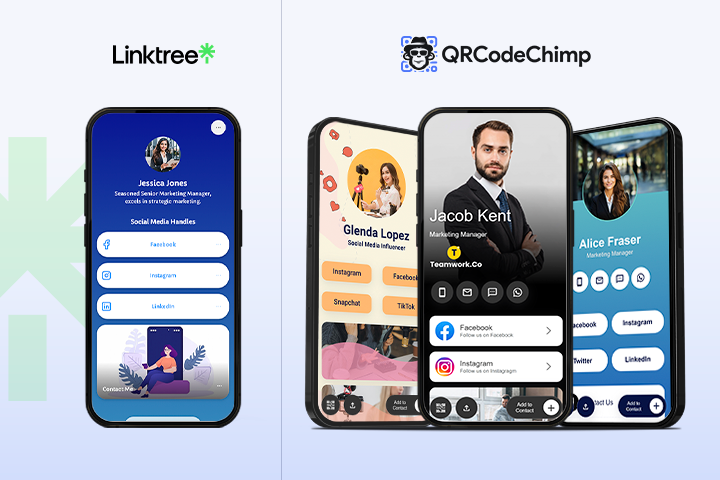
Image source: QR Code Chimp
Frequently Asked Questions
Is there still a free version of Linktree?
Yes, Linktree continues to offer a free version in 2026. However, it remains quite limited compared to newer competitors. Free users often face restrictions on custom branding, advanced analytics, and the ability to hide the Linktree logo. If you are looking for a more robust free experience, tools like Atom.bio or Lnk.Bio are widely considered to offer better value without a monthly fee.
Why did people stop using Linktree?
The exodus from Linktree is driven by three main factors: SEO, cost, and privacy. Marketers have realized that Linktree siphons off domain authority that should belong to the creator's own website. Additionally, the introduction of Generative AI features has alienated privacy-conscious artists. Finally, the rise of "one-time payment" or more affordable alternatives has made Linktree's subscription model less attractive to small creators.
Can I use my own domain as a Linktree alternative?
Absolutely, and this is highly recommended for long-term growth. By creating a "/links" page on your own WordPress, Squarespace, or Shopify site, you keep all the traffic and SEO benefits for yourself. Tools like SeedProd make this process very simple for WordPress users, allowing you to replicate the look and feel of a link-in-bio tool while maintaining total ownership of your data.
Which alternative has the best analytics for free?
Atom.bio is currently a top contender for free analytics. While many platforms gate their best data behind a paywall, Atom.bio provides detailed visitor insights and link tracking on its free tier. This is particularly useful for creators who need to show engagement metrics to potential brand partners but don't yet have the budget for a premium subscription.
Is Linktree bad for SEO?
It isn't "bad" in the sense that it will penalize your site, but it is inefficient. When you use an intermediary, you are essentially giving away your "referral credit" to Linktree. Search engines see the traffic coming from Linktree rather than directly from social media, and you miss out on building the domain authority that comes with direct backlinks. For serious brands, a self-hosted page is a much stronger SEO strategy.
What is a good Linktree alternative for adult creators or OnlyFans?
Creators in the adult industry often face stricter Terms of Service (TOS) on mainstream platforms. Platforms like AllMyLinks or Snipfeed are frequently cited as being more lenient and supportive of adult content creators. Always review the specific TOS of a platform before signing up to ensure your content is permitted and your account won't be suddenly suspended.
The Bottom Line
- Prioritize Ownership: If you own a website, a DIY page on your own domain is a top-tier choice for long-term SEO and data control.
- Sales Focus: For those selling digital products or coaching, Stan Store offers a highly impactful, low-friction checkout experience.
- Budget Matters: Small accounts should look toward Atom.bio or Lnk.Bio's lifetime plan to avoid subscription fatigue.
- AI Privacy: Artists and authors should vet platforms for AI integration to protect their intellectual property and data.
- Avoid Decision Fatigue: Limit your bio to 3-5 high-value links rather than a long list to improve conversion rates.
- Mobile First: Always test your new page on a smartphone to ensure fast load times and easy navigation.
Start by auditing your current links today and choose the alternative that aligns with your primary business goal for the coming year.