Where to Find and How to Use the Fact Checked Meme Template
The internet moves quickly, and the ways users express agreement, skepticism, or outright mockery evolve just as fast. In recent years, the "This Post Has Been Fact Checked" meme has emerged as a dominant format for validating absurd claims, supporting niche opinions, or ironically endorsing "shitposts." What began as a specific political parody has fractured into dozens of subcultural variants, from the "Real American Patriots" to the British "Barry, 63."
This comprehensive overview will detail the origins of the meme, provide guidance on where to source high-quality templates, explain the technical steps for creating your own overlays on mobile and desktop, and explore the actual fact-checking methodologies that these memes parody.
What Is the Fact Checked by Real American Patriots Meme?
To understand how to use the template effectively, it helps to understand its origins. The meme did not appear out of nowhere; it was a specific reaction to the visual language of social media misinformation warnings that became prevalent during the early 2020s.
According to documentation from Know Your Meme, the format follows a distinct chronological evolution:
The original iteration was posted to Twitter by user @GranTorinoDSA. It featured an image of Donald Trump giving a thumbs-up, superimposed over a background heavily associated with QAnon aesthetics. The text read, "This post was fact checked by real American patriots." This initial post garnered a modest 160 likes.
The format experienced a significant shift when Instagram user @sonny_librarian posted a variation. This version replaced the thumbs-up emoji with a prominent, green "TRUE" stamp. This visual upgrade proved highly effective, accumulating over 2,400 likes within five months and establishing the template for future variations.
As the "TRUE" variant spread, the natural counter-meme emerged. Instagram user @thenextawk and others began circulating a red "FALSE" variant, allowing users to deploy the meme as a reaction image to shut down opposing arguments in comment sections.
The shift from the original November 2021 post to the broader internet culture represents a transition into irony. Today, the "Real American Patriots" meme is rarely used for actual political commentary. Instead, it is applied to highly subjective, trivial, or absurd statements—such as claiming a specific fast-food item is superior or validating a bizarre piece of video game lore. The humor derives from applying a hyper-serious, hyper-partisan "verification" stamp to completely unserious content.
Download the Most Popular Fact Checked Meme Templates
Because the meme has been saved, compressed, and re-uploaded thousands of times, many templates available on generic generator sites suffer from severe artifacting (often referred to as being "deep-fried"). For creators looking to make clean, legible content, sourcing high-resolution assets is crucial.
Communities dedicated to digital preservation, such as Reddit's r/MemeRestoration, frequently recreate these templates in high definition. Below is a breakdown of the primary factions and styles you can download and utilize.
The Original Real American Patriots Version
This is the classic format. It typically features a high-contrast, slightly saturated background with bold, white text outlined in black. The visual noise is part of the aesthetic, mimicking low-quality Facebook posts. When searching for this template, look for versions that leave the bottom half of the image blank, allowing you to easily crop and place it over your target image.
The Green TRUE and Red FALSE Stamp Overlays
For users who want to add a quick reaction to an existing image without using the full "Patriot" background, transparent PNG stamps are the preferred choice. These stamps mimic official bureaucratic seals.
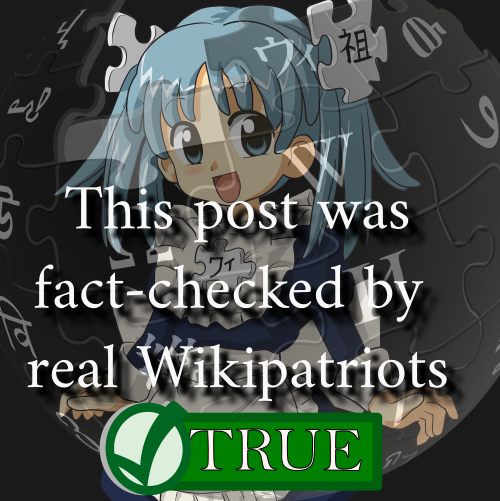
Image source: Wikimedia Commons - Wikimedia.org
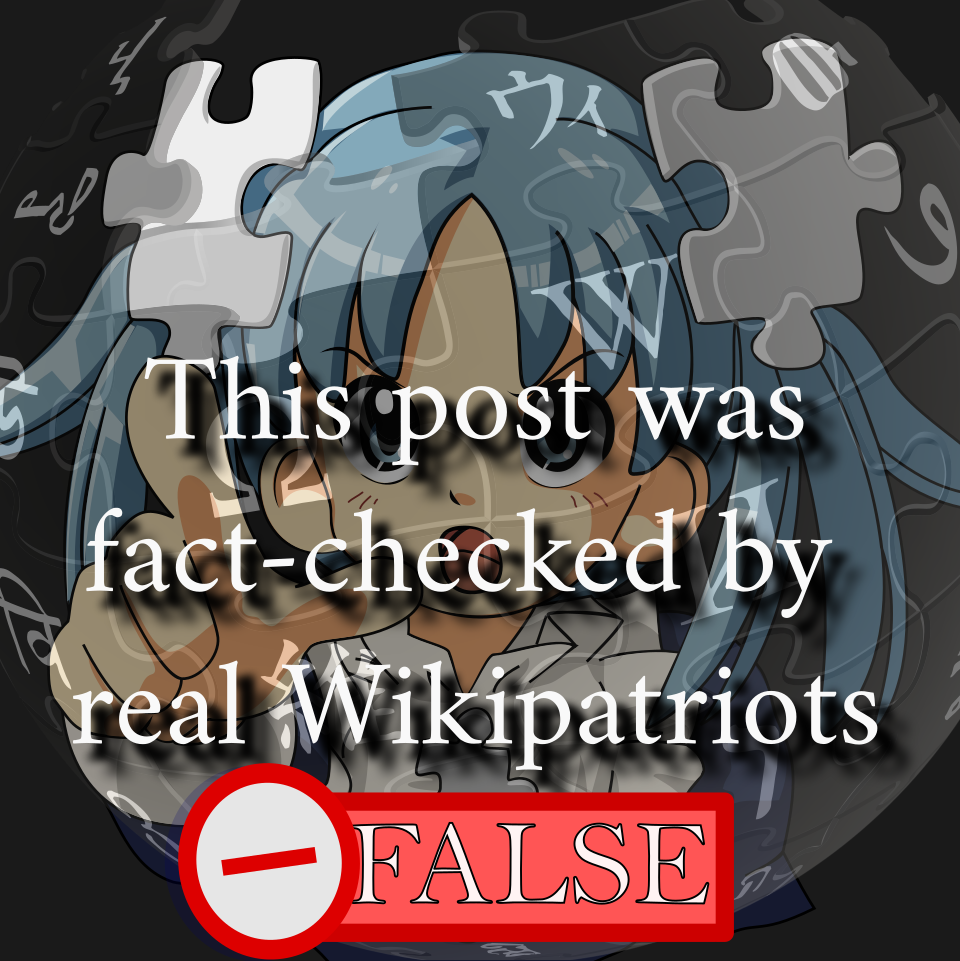
Image source: Wikimedia Commons - Wikimedia.org
The Twitter and X Community Notes Parody Style
As social media platforms introduced their own integrated fact-checking systems, meme creators adapted. The X (formerly Twitter) "Community Notes" parody style is highly popular. This template mimics the exact UI of the platform, featuring a subtle gray box, a small context icon, and text that reads "Readers added context they thought people might want to know." This style requires precise font matching to look authentic.
Niche Faction Variants
The flexibility of the text has led to numerous subcultural adaptations. Depending on the community you are engaging with, you may encounter:
| Variant Name | Origin / Subculture | Visual Style | Typical Use Case |
|---|---|---|---|
| Barry, 63 | British "Lad" Meme Culture | Features a red-faced, middle-aged British man. Often low-resolution. | Validating opinions about pubs, football, or traditional British food. |
| NCR Patriots | Fallout: New Vegas Gaming Community | Sepia-toned, featuring the New California Republic ranger armor. | Debating in-game faction politics or lore accuracy. |
| Sacred Boar | Niche Irony / Gaming Circles | Features a glowing or stylized boar. Highly surreal aesthetic. | Validating completely nonsensical or surreal shitposts. |
How to Make Your Own Fact Checked Meme in 3 Minutes
Creating a custom fact-checked meme requires basic image editing skills. While you can use professional software like Adobe Photoshop, web-based editors and mobile apps are more than sufficient for this task.
Using Web-Based Editors
Platforms like Imgflip and Kapwing rank among the top choices for quick meme generation. To create a standard overlay:
- Source your base image: Find the screenshot, tweet, or image you want to "fact-check."
- Upload to the editor: Open your chosen web editor and upload the base image.
- Add the overlay: Upload a transparent PNG of the "TRUE" or "FALSE" stamp. If your stamp has a white background, use the editor's "Remove Background" or "Magic Wand" tool to make it transparent.
- Position and scale: Place the stamp diagonally across the image. A slight tilt (around 15 to 20 degrees) makes it look more like a physical stamp applied to a document.
Choosing the Right Font for Authenticity
The difference between a mediocre meme and a highly convincing parody often comes down to typography. If you are building a template from scratch, font selection is critical.
For Twitter/X Parodies: The platform uses a proprietary font called Chirp. If you do not have Chirp installed, Helvetica or Arial are the closest widely available alternatives. Ensure the text is left-aligned and uses a standard weight for the body text, with bolding only for usernames.
For Patriot/Classic Memes: The deep-fried aesthetic relies on heavy, imposing fonts. Impact is the traditional choice, but Arial Black also works well. Always add a thick black stroke (outline) to white text to ensure readability against chaotic backgrounds.
How to Use These Memes on Discord and Mobile Apps
Static images are excellent for Twitter or Reddit, but platforms like Discord and TikTok require different file formats and workflows. Adapting the fact-checked template for these platforms increases its utility.
Creating Custom Discord Stickers and Emojis
Discord allows server administrators to upload custom emojis and stickers. The "TRUE" and "FALSE" stamps are highly effective as reaction emojis.
- Resize the Asset: Discord emojis display at a small size. Take your transparent PNG stamp and crop it tightly to the edges of the text.
- Adjust Dimensions: Resize the image to exactly 320x320 pixels. This ensures the file size remains small while maintaining clarity.
- Export Settings: Save the file as a PNG-24 with transparency enabled. According to standard GIF specifications for these memes (often hosted on platforms like Tenor), keeping the file size around 68KB ensures fast loading on mobile devices.
- Upload: Navigate to your Discord Server Settings > Emoji > Upload Emoji. Name it `:fact_check_true:` for easy access.
Adding Fact Check Overlays to TikTok and Reels Videos
Video content requires motion. To add a fact-check stamp to a TikTok or Instagram Reel, you will need a mobile video editor like CapCut.
- Find a Green Screen Asset: Search YouTube or stock sites for a "Fact Check Stamp Green Screen" video. This will show the stamp animating onto a solid green background.
- Import to CapCut: Place your main video on the primary timeline. Add the green screen video as an "Overlay."
- Apply Chroma Key: Select the overlay track, navigate to the "Remove BG" or "Chroma Key" tool, and select the green color. Adjust the intensity until the green disappears, leaving only the stamp.
- Add Sound Design: The visual is only half the joke. Add a heavy "thud" or "paper stamp" sound effect precisely at the moment the visual stamp hits the screen.
Why the TRUE Stamp Became More Popular Than the Original
The evolution from the full "Real American Patriots" background to the isolated green "TRUE" stamp is a fascinating case study in internet communication. Why did a simple stamp generate 2,400 likes compared to the original's 160?
The answer lies in visual communication speed and the "reaction image" meta. The original meme required the viewer to read a full sentence and process a complex, visually noisy background. It was a standalone piece of content. The transparent stamp, however, functions as a modifier. It can be applied to *any* other piece of content.
Image source: iStock
By stripping away the specific political imagery of the original, the stamp became a universal tool. It serves as a digital "seal of approval" that can be dropped into a comment section to instantly validate a previous poster's point, driving higher engagement through versatility.
How to Tell if a Post Actually Needs a Fact Check
While dropping a "Fact Checked by Real American Patriots" meme is an entertaining way to engage with irony, social media is also rife with actual misinformation. Before you ironically validate a post, it is worth understanding how professional verification works.
Professional fact-checking relies on rigorous standards. As detailed by resources like the Utopia guide on fact-checking, there is a significant difference between the "Magazine Model" (where dedicated researchers verify every name, date, and claim before publication) and the "Newspaper Model" (which often relies more heavily on the reporter's initial accuracy). On social media, neither model exists by default; the burden of verification falls entirely on the user.
Vertical reading is what most users do: scrolling down a single feed or reading the comments directly beneath a post to see if it is true. This makes you susceptible to bias, as the algorithm often surfaces comments that agree with the original post, creating an echo chamber.
Lateral reading involves opening new tabs to verify the source and the claim independently. Instead of scrolling down, you move across the web. You check what other, unaffiliated sources are saying about the organization or the specific claim being made.
The SIFT Method for Social Media
To practice lateral reading effectively, media literacy experts recommend the SIFT method. According to the Misguided newsletter's breakdown of lateral reading, SIFT stands for:
- Stop: When you encounter a claim that causes a strong emotional reaction (anger, extreme validation, or shock), pause. Do not share it, and do not immediately reply with a meme. Strong emotions are often the intended trigger for viral misinformation.
- Investigate the source: Who is sharing this? Are they a recognized authority on the subject, or an anonymous account? Use tools like the Google Fact Check Explorer to see if established organizations have already reviewed the source.
- Find better coverage: Open a new tab and search for the core claim. Are reputable news outlets reporting the same information? If a massive, world-changing event is only being reported by one obscure blog, it requires heavy skepticism.
- Trace claims back to the original context: Quotes and videos are frequently stripped of their context. A video showing a "current" event might actually be footage from a movie set or a conflict from five years ago. Reverse image searches can help trace media back to its original upload date.
Frequently Asked Questions
Final Takeaways for Meme Creators
Mastering the "Fact Checked" meme format allows you to participate in one of the internet's most enduring ironic trends. Whether you are validating a friend's opinion in Discord or creating a viral video overlay, keeping these technical and cultural points in mind will elevate your content.
- Choose your faction carefully: Select the variant (Patriot, Barry 63, or Twitter UI) that best matches the specific subculture or joke you are engaging with.
- Source high-resolution assets: Avoid generic generators that produce "deep-fried" images; pull clean PNGs from restoration communities.
- Match your typography: Use Chirp or Helvetica for UI parodies, and heavy fonts like Impact for classic meme formats.
- Optimize for the platform: Resize transparent stamps to 320x320px for Discord emojis to ensure fast loading and crisp edges.
- Apply the SIFT method: Before engaging with potentially real misinformation, Stop, Investigate, Find better coverage, and Trace the original context.