How to Write Dialogue Using Real Examples and Proper Formatting Rules
Effective dialogue serves three primary functions: developing character, advancing the plot, or building tension. In US English, punctuation like commas and periods always goes inside the quotation marks. To avoid "talking heads" syndrome, writers should intersperse dialogue with action beats—physical movements that ground the speakers in a specific setting. A top-tier approach involves the "80% Rule," where you leave 20% of the subtext for the reader to infer, creating more engaging and realistic prose.
Why Effective Dialogue Matters in Modern Storytelling
Dialogue is the heartbeat of narrative fiction. It is the moment where the narrator steps back and allows the characters to speak for themselves, creating an immediate connection with the reader. However, writing great dialogue is not simply about transcribing how people talk in real life. As legendary filmmaker Alfred Hitchcock famously suggested, drama is "life with the boring bits cut out." This principle is a cornerstone of effective speech in fiction.
In a manuscript, every line of speech must justify its existence. According to industry standards from SelfPublishing.com, dialogue should perform at least one of three jobs: reveal character traits, move the story forward, or escalate conflict. If a conversation consists of "Hello, how are you?" and "I am fine," without any underlying tension or character revelation, it likely needs to be trimmed or removed entirely.
One of the most impactful concepts in professional writing is the 80% Rule. This technique suggests that writers should provide about 80% of the information through speech and action, leaving the remaining 20% for the reader to interpret. This gap creates "subtext," allowing the reader to feel the weight of what is not being said. When characters are too literal or explanatory, the prose can feel flat. By mastering the balance between spoken words and internal motivations, you can produce dialogue that feels both authentic and purposeful.
Standard Punctuation Rules for Narrative Speech
Formatting dialogue correctly is essential for maintaining a professional appearance and ensuring reader immersion. While creative styles vary, the mechanical rules are relatively rigid to prevent confusion about who is speaking and when.
The Inside-Out Rule for Commas and Periods
For writers targeting a US audience, the most critical rule is the placement of punctuation. Commas and periods almost always go inside the quotation marks. This applies even if the punctuation isn't part of the original thought but is used to separate the dialogue from a tag.
Mark shook his head. "We can't leave yet."
Note that in the first example, the comma stays inside the quotes before the tag "Sarah said." In the second example, the period stays inside the quotes at the end of the sentence. This is a standard convention detailed by Grammarly and other major style guides.
Handling Multi-Paragraph Speeches and Interruptions
When a character delivers a long monologue that spans multiple paragraphs, the formatting changes slightly. You place an opening quotation mark at the start of every paragraph, but you only place a closing quotation mark at the very end of the final paragraph. This signals to the reader that the same person is still speaking.
For interruptions and trailing thoughts, two specific marks are used:
- The Em-Dash (—): Used when a character is abruptly cut off by another person or a sudden event.
- The Ellipsis (...): Used when a character's voice trails off, they lose their train of thought, or they are hesitating.
| Feature | US Standard (Double Quotes) | UK Standard (Single Quotes) |
|---|---|---|
| Primary Quotes | "Double marks" | 'Single marks' |
| Punctuation Placement | Inside the marks (," or .") | Often outside (', or '.) |
| Nested Quotes | 'Single' inside "Double" | "Double" inside 'Single' |
15 Practical Examples of Writing a Dialogue for Different Scenarios
To understand how these rules apply in practice, let's look at various styles of dialogue. These examples demonstrate how to handle different emotional beats and narrative needs.
Realistic and Purposeful Dialogue Examples
"I... I didn't mean for it to happen like that," Leo whispered, his eyes fixed on the floor. "It just—the gun was so heavy."
Why it works: The use of ellipses and em-dashes shows Leo's emotional distress without the author having to explicitly state "he was nervous."
"Sit down," she commanded.
"I'd rather stand."
"I wasn't asking."
Why it works: This is a high-tension exchange where the lack of dialogue tags speeds up the pacing, reflecting the power struggle.
"You've been at the docks since four a.m., haven't you?" Julian asked, pointing at the salt stains on my boots.
Why it works: Instead of a narrator saying "I went to the docks early," the information is revealed through a character's observation.
Genre-Specific and Witty Dialogue Styles
"The city doesn't care about your problems, kid. It's got enough of its own." He lit a cigarette, the match flare illuminating a face made of scars and bad decisions.
Why it works: This uses "heightened" language to establish a specific atmospheric mood common in crime fiction.
"Coffee?"
"Only if it's black as my soul."
"So, decaf then?"
Why it works: Fast-paced, witty banter helps establish a playful relationship between characters quickly.
Advanced Craft Techniques to Elevate Your Scenes
Moving beyond basic grammar requires an understanding of how speech functions as a tool for characterization. Professional writers often use frameworks to ensure their dialogue isn't just "filler."
The Screenwriter’s Four Styles Framework
Many professional "dialogue doctors" categorize speech into four distinct styles to help maintain consistency within a scene:
- Realistic: Focuses on the messiness of human speech—interruptions, half-sentences, and emotional "noise."
- Perfect: Every word is calculated. This is common in thrillers or courtroom dramas where characters are trying to manipulate one another.
- Heightened: Stylized speech that fits a specific genre, such as the epic tone of high fantasy or the rhythmic slang of a period piece.
- Snap: Characterized by high-speed, witty retorts where the goal is to entertain the reader with verbal gymnastics.
Using Action Beats to Ground the Reader
A common mistake for new writers is "Talking Heads" syndrome—where characters seem to exist in a white void because there is no physical description. Action beats solve this by anchoring the conversation in the physical world.
According to WriteToDone, using "said" is often a preferred choice because it is "invisible" to the reader, allowing the focus to remain on the character's actions and words rather than the mechanics of the tag.
Modern Formatting for Digital Communication and Text Messages
In contemporary fiction, characters often communicate via text, DM, or email. Traditional quotation marks can sometimes feel clunky for these formats. Here are three common methods to handle digital dialogue:
- Method 1: The Block Indent. Treat the text message like a block quote. Indent the entire message and perhaps use a slightly different font or italics to set it apart.
- Method 2: The Stylized Tag. Use a specific tag to indicate the medium. Example: [TEXT FROM MOM]: Where are you?
- Method 3: Narrative Integration. Describe the character reading the message rather than showing the message itself. Example: He looked at his phone; Sarah had sent three words that changed everything.
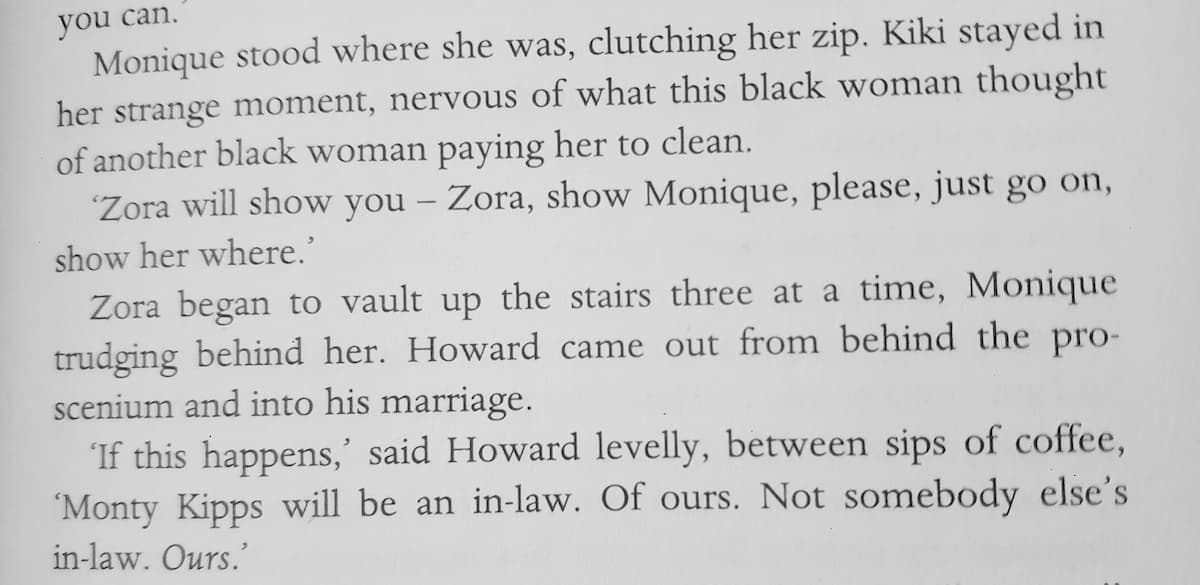
Image source: Now Novel
Common Pitfalls That Weaken Fictional Conversations
Even with perfect punctuation, dialogue can fail if it falls into certain amateur traps. One of the most notorious is the "Tom Swifty" Trap. This occurs when a writer uses a pun-based or overly descriptive tag that draws too much attention to itself. For example: "I'm cold," he said icily. These tags pull the reader out of the story and should be avoided.
Another pitfall is Maid-and-Butler Dialogue (also known as "As You Know, Bob"). This happens when two characters tell each other things they both already know purely for the benefit of the reader. It feels unnatural and forced. Instead, try to weave backstory into the narrative more subtly.
Finally, be cautious with Phonetic Accents. While you want your characters to have unique voices, writing out heavy dialects phonetically (e.g., "I's gwine down de road") can be difficult to read and may inadvertently lean into offensive stereotypes. It is often better to suggest an accent through word choice and sentence structure rather than spelling.
Frequently Asked Questions About Dialogue Mechanics
If the tag interrupts a single sentence, use a comma inside the first set of quotes and a comma after the tag. Example: "I know," he said, "that you're lying." If the tag falls between two separate sentences, use a period after the tag. Example: "I know," he said. "You're lying."
Yes, but use them sparingly. "Said" and "asked" are considered functional tags that readers naturally skip over. Overusing "replied," "retorted," or "exclaimed" can make the writing feel melodramatic or amateurish. Let the dialogue itself convey the emotion.
The most common method is to use italics for direct thoughts without quotation marks. Example: I hope he doesn't see me, Sarah thought. In "Deep POV," you can often remove the "she thought" tag entirely and just include the thought as part of the narrative flow.
Clarity is key. Use names more frequently than you would in a two-person conversation. Additionally, give each character a distinct physical action or "voice" (e.g., one uses short sentences, another uses academic language) to help the reader track who is speaking.
If the tag is a speech verb (said, asked, whispered), it is not capitalized unless it's a proper noun. Example: "Go away," he said. If the dialogue is followed by an action beat (a separate sentence), capitalize the beat. Example: "Go away." He turned his back.
Key Takeaways for Polishing Your Manuscript
- Prioritize Function: Ensure every line of dialogue either builds character, moves the plot, or creates tension.
- Master Punctuation: Keep commas and periods inside the quotation marks for US English standards.
- Use Action Beats: Ground your characters in the scene to avoid the "talking heads" effect.
- Embrace Subtext: Apply the 80% Rule to leave room for the reader's imagination and intuition.
- Simplify Tags: Rely on "said" as your primary tag to maintain reader immersion and avoid the "Tom Swifty" trap.
- Vary Pacing: Use short, staccato sentences for high tension and longer, flowing speech for character reflection.
Start by reviewing your most recent scene and removing any dialogue that doesn't serve a specific narrative purpose.